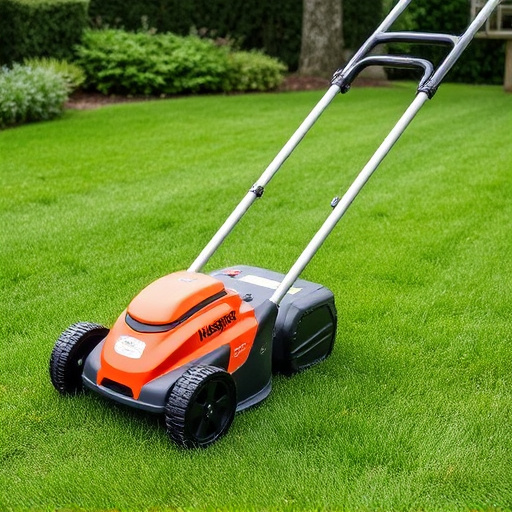
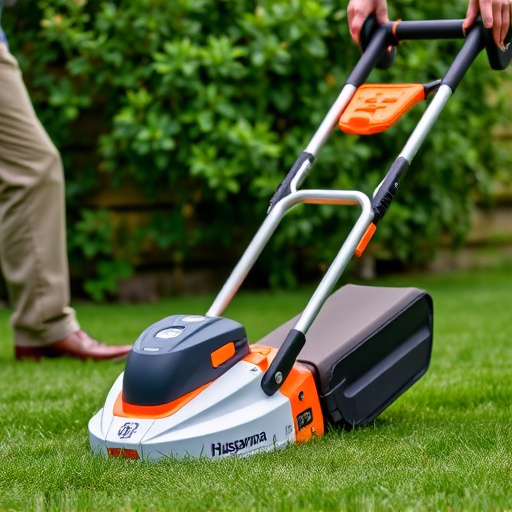
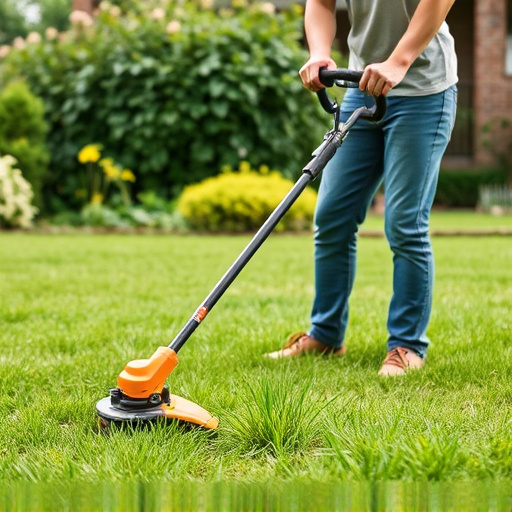
In the ever-evolving landscape of landscaping equipment, Husqvarna Grass Cutters have emerged as a dominant force, shaping how we maintain our outdoor spaces. This comprehensive article delves into the world of Husqvarna grass cutters, exploring their design, impact, and future potential. From their historical roots to cutting-edge technology, we will navigate the various facets that contribute to their global success. By the end, readers will gain a profound understanding of this innovative machinery and its role in transforming outdoor environments.
Understanding Husqvarna Grass Cutters: Unveiling the Basics
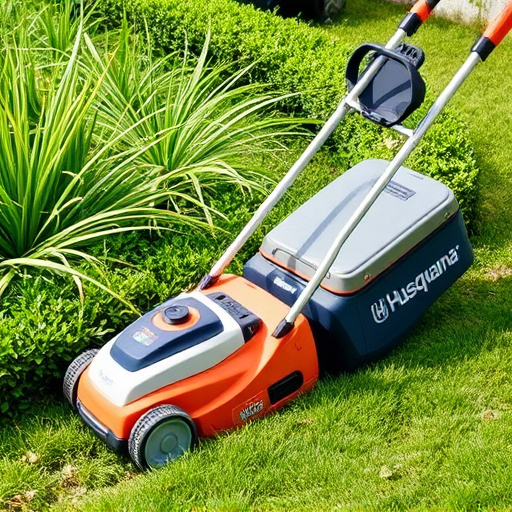
Definition: Husqvarna Grass Cutters, part of the renowned Swedish brand Husqvarna, are advanced lawnmowers designed for efficient grass cutting, edging, and strimming. These machines cater to both residential and commercial landscaping needs, offering a range of models with diverse capabilities.
Core Components:
Engine: The heart of the cutter, typically powered by gasoline or electricity, providing the necessary force and torque for cutting.
Cutting Deck: A rotating platform equipped with blades, responsible for the actual grass cutting. Decks vary in size and design to accommodate different lawn sizes.
Handle and Controls: Ergonomic handles and control mechanisms enable operators to steer and manipulate the cutter effortlessly.
Edging System: Specially designed components allow for precise edging along sidewalks and garden borders, ensuring a clean finish.
Safety Features: Modern Husqvarna models incorporate advanced safety systems, including protective screens, rope guides, and safety switches, to prevent accidents.
Historical Context: The Husqvarna brand traces its roots back to 1680 in Sweden, initially focusing on agricultural tools. Over time, they expanded into lawnmower manufacturing, introducing the first self-propelled mower in 1932. The grass cutter line has since evolved through innovation, incorporating new technologies and designs to meet the changing demands of gardeners and landscapers worldwide.
Global Impact and Trends
Husqvarna Grass Cutters have left an indelible mark on the global landscaping industry, with a significant presence in:
North America: The United States and Canada are key markets, where Husqvarna’s range of ride-on mowers and walk-behind models cater to diverse lawn sizes.
Europe: With its origins in Sweden, Europe is a vital region for Husqvarna, boasting a high adoption rate of advanced grass cutting technologies.
Asia-Pacific: Rapid urbanization has led to increased demand for efficient landscaping solutions, making Husqvarna’s lightweight, maneuverable cutters popular in cities like Tokyo and Singapore.
Trends Shaping the Industry:
Electric Power: The shift towards electric lawnmowers is gaining momentum due to environmental concerns and advancements in battery technology, with Husqvarna offering a range of eco-friendly models.
Autonomously Driven Mowers: Self-driving mowers are revolutionizing landscaping, and Husqvarna has been at the forefront of developing these innovative machines.
Smart Connectivity: Integrating grass cutters with smartphone apps allows users to monitor and control their lawn care remotely, a trend that is rapidly gaining traction.
Economic Considerations
The global Husqvarna Grass Cutter market exhibits robust growth, driven by:
Increasing Urbanization: As cities expand, the demand for efficient lawn care solutions rises, presenting a significant opportunity for Husqvarna.
Middle-Class Growth: Rising disposable incomes in emerging markets lead to higher spending on home improvement and landscaping, positively impacting sales.
Government Initiatives: Some governments offer incentives for adopting energy-efficient landscaping practices, promoting Husqvarna’s electric cutter range.
Market Dynamics:
Region
Market Size (2022)
Growth Rate (2023-2025)
Key Factors
North America
$1.2 billion
4.5%
High disposable income, widespread adoption of advanced technology
Europe
$1.5 billion
3.8%
Strong brand loyalty, focus on sustainability
Asia-Pacific
$0.9 billion
6.2%
Rapid urbanization, growing middle class
Investment Patterns: Husqvarna’s parent company, Husqvarna Group, consistently invests in research and development to enhance its product portfolio. In 2022, they allocated a significant portion of their budget to electric vehicle technology, reflecting the market’s shift towards sustainability.
Technological Advancements
Husqvarna Grass Cutters have been at the forefront of technological innovation, pushing the boundaries of lawn care:
X-Torq Engine Technology: Husqvarna introduced X-Torq engines, known for their superior performance and reduced emissions, setting a new standard in grass cutter efficiency.
Autonomous Navigation: The company’s Autamow system uses GPS and sensor technology to enable mowers to navigate lawns autonomously, reducing manual effort.
Smart Connectivity: Husqvarna’s Connect app allows users to monitor mower status, set schedules, and receive diagnostics remotely via their smartphones.
Laser Cutting Technology: Some advanced models employ laser guidance for precise cutting, ensuring a streak-free finish.
Future Potential: With the rise of artificial intelligence (AI) and machine learning, Husqvarna could integrate these technologies to create cutters that adapt to lawn conditions, optimize performance, and learn user preferences over time.
Policy and Regulation
The development and utilization of Husqvarna Grass Cutters are influenced by various policies and regulations worldwide:
Environmental Standards: Strict emissions norms in many countries drive the adoption of cleaner, more efficient engines, aligning with Husqvarna’s focus on eco-friendly technology.
Product Safety Regulations: Authorities like the FDA (U.S.) and CE (Europe) ensure that grass cutters meet safety standards, including protections against noise pollution.
Waste Management Policies: Initiatives promoting responsible disposal of lawn equipment impact Husqvarna’s product design and marketing strategies.
Challenges and Criticisms
Despite its many achievements, Husqvarna Grass Cutters face certain challenges:
Noise Pollution: Gas-powered models have been criticized for their noise levels, leading to local regulations in some areas. Husqvarna addresses this by promoting electric alternatives and developing quieter engines.
Initial Cost: Advanced grass cutters can be expensive, deterring some consumers. However, long-term savings through reduced fuel and maintenance costs offset the initial investment.
Complexity: Modern features like autonomous navigation may confuse users unfamiliar with technology. Comprehensive user manuals and training can mitigate this issue.
Strategies to Overcome Challenges:
Education and Training: Husqvarna offers extensive online resources and workshops to educate users on the benefits and proper use of their products.
Product Customization: Tailoring grass cutters to regional preferences and needs ensures better market acceptance.
Partnerships: Collaborating with local governments and environmental organizations can help address noise pollution concerns and promote sustainable landscaping practices.
Case Studies: Real-World Success Stories
Case 1: Urban Landscape Transformation – New York City, USA
New York City’s Central Park saw a significant transformation through the use of Husqvarna electric grass cutters. The city adopted these cutters to reduce noise pollution and emissions in the heavily trafficked park. The efficient, zero-emission mowers seamlessly navigated the park’s intricate paths, ensuring a quieter and more environmentally friendly experience for visitors. This case highlights how Husqvarna’s technology contributes to urban landscape management while addressing sustainability goals.
Case 2: Efficient Landscaping at a University Campus – Oxford, UK
Oxford University’s vast grounds were once maintained with traditional gas-powered mowers. Adopting Husqvarna’s ride-on electric cutters revolutionized lawn care on the historic campus. The university witnessed a 30% reduction in fuel costs and significant noise diminution, enhancing the overall student experience. This case study demonstrates how Husqvarna products can contribute to cost savings and environmental sustainability in large institutional settings.
Future Prospects: Looking Ahead
The future of Husqvarna Grass Cutters is brimming with opportunities and potential growth areas:
Sustainable Innovation: With increasing environmental concerns, Husqvarna will likely continue focusing on electric and autonomous technologies, aiming to minimize the ecological footprint of lawn care.
Smart Home Integration: Integrating grass cutters into smart home ecosystems could provide users with voice control and personalized settings, enhancing convenience.
Global Expansion: Expanding market reach in untapped regions like South America and Africa presents significant growth opportunities.
Personalized Lawn Care: Using AI, Husqvarna may offer customized cutting patterns and settings based on individual lawn characteristics, ensuring optimal care.
Conclusion: Shaping the Future of Lawn Care
Husqvarna Grass Cutters have evolved from simple mechanical devices to sophisticated, technologically advanced machines that cater to diverse landscaping needs. Their global impact is evident in the transformation of residential and commercial spaces, with a reduced environmental footprint. As technology continues to advance, Husqvarna’s commitment to innovation ensures its position as a leader in the industry.
By addressing challenges, embracing sustainability, and staying attuned to market trends, Husqvarna Grass Cutters will continue to shape the future of lawn care, providing efficient, effective solutions worldwide.
FAQ Section:
Q: Are Husqvarna Grass Cutters suitable for small lawns?
A: Absolutely! Husqvarna offers a range of compact, walk-behind models designed specifically for small yards. These cutters are maneuverable and efficient, ensuring excellent performance on smaller areas.
Q: How do I choose the right Husqvarna grass cutter for my needs?
A: Consider factors like lawn size, terrain, and desired features. Husqvarna’s website provides a helpful tool to match your requirements with suitable models. Consulting with local landscaping experts can also guide your decision-making process.
Q: Are electric Husqvarna grass cutters as powerful as their gas-powered counterparts?
A: Electric models have made significant advancements in power output, and some modern electric cutters rival gas engines in performance. Plus, they offer the benefit of reduced noise and lower emissions.
Q: Can I customize the cutting height settings on Husqvarna mowers?
A: Yes, most Husqvarna grass cutters allow for adjustable cutting heights to accommodate various lawn care needs. This flexibility ensures you can achieve your desired grass length effortlessly.
Q: Does Husqvarna offer any warranty coverage for their products?
A: Indeed, Husqvarna provides comprehensive warranties on its grass cutters, typically covering both parts and labor. The specific terms vary by model, so it’s best to refer to the manufacturer’s warranty guide.
Husqvarna's Power N Play technology revolutionizes lawn care with precise, clean cuts and straight edges, eliminating jagged lines. This advanced series caters to both professionals and homeowners, offering intuitive control, robust durabil…….
The Husqvarna Power N Play grass cutter is designed to combat physical fatigue associated with traditional lawnmowers. Its ergonomic features, including a lightweight build and adjustable grip, reduce strain on users' bodies during extended…….
Husqvarna introduces its anti-vibration grass cutter with Power N Play technology, offering comfort and power for professionals and DIY enthusiasts. This model reduces vibrations, enhances control, and caters to various lawn sizes with its robus…….
The Husqvarna Power N Play grass cutter is a powerful and versatile tool designed to tackle stubborn weeds and maintain pristine lawns. Its key feature, Power N Play, offers precise control and maneuverability, enabling users to navigate complex…….
The Husqvarna Power N Play grass cutter offers a revolutionary solution for lawn care by prioritizing user comfort and efficiency. Its innovative design, ergonomic features, adjustable settings, and quiet operation minimize physical strain, enha…….
Maintaining roadside areas requires efficient tools like Husqvarna Grass Cutters, which offer advanced cutting technology, compact designs, and powerful propulsion systems. Their precise capabilities enhance productivity, especially in urban set…….
Before buying a Husqvarna grass cutter, assess your lawn's size, shape, terrain, and grass type. A 35cm cutting width with Husqvarna's Power N Play technology is ideal for large, dense lawns or steep inclines, offering efficient cuts,…….
The Husqvarna Power N Play grass cutter is a revolutionary tool for meticulous lawn care, offering advanced features like precise cutting technology and versatile control. It ensures clean, defined edges, enhances curb appeal, and promotes lawn…….
Husqvarna Grass Cutters are renowned for their exceptional performance and reliability, ideal for managing large grass areas. Their Power N Play models feature powerful motors and user-friendly design for efficient navigation. Suitable for both…….
The Husqvarna grass cutter is a powerful and ergonomic lawn care solution featuring its revolutionary Power N Play technology. This anti-vibration handle system reduces vibrations, enhances grip, and prevents physical strain during extended use,…….
The Husqvarna Power N Play grass cutter revolutionizes lawn care by prioritizing user comfort and reducing physical strain through ergonomic design, lightweight materials, and advanced technology. This innovative system allows gardeners to enjoy…….
Maintaining roadsides effectively is challenging due to varied terrain and vegetation. The Husqvarna grass cutter offers a Power N Play solution with advanced design, powerful engine features, and precise cutting capabilities for tight spaces an…….
Husqvarna Grass Cutters simplify lawn care with their motor-driven propulsion system, offering quick starts, precise control, and enhanced comfort for clean, even cuts on larger, uneven areas. Their Power N Play technology features efficient eng…….
Husqvarna Grass Cutters are industry leaders known for durability and performance, with the Power N Play series offering extended runtime ideal for large mowing jobs. Their advanced technology provides a smooth cutting experience, while robust e…….
Husqvarna Grass Cutters offer superior performance and reliability, appealing to professionals and homeowners alike. Their auto choke start system (Power N Play) simplifies lawn care with instant starts and efficient operation. This technology c…….
Long-term use of traditional lawnmowers takes a toll on users' physical and mental health due to intense manual labor. Husqvarna offers a solution with its Power N Play grass cutters, prioritizing user comfort and efficiency. These innovati…….
Husqvarna Grass Cutters revolutionize lawn maintenance with their Power N Play technology, combining lightweight materials, ergonomic designs, and advanced propulsion systems. These features significantly reduce user fatigue, enhancing comfort a…….
Husqvarna Grass Cutters dominate the market with diverse models suitable for all yard sizes, offering adjustable cutting heights, powerful technology like Power N Play, and durable construction for efficient lawn care. Consider your yard's…….
The Husqvarna grass cutter with steel blades is a top-rated lawn care solution due to its Power N Play technology, offering efficient cutting and seamless mode transitions. Durable steel blades provide longevity, superior performance, and cleane…….
Husqvarna Grass Cutters stand out for their superior performance and innovative technology, catering to homeowners and professionals. Their auto choke start system streamlines lawn care by automatically adjusting idle speed based on load, elimin…….